
200 best digital Artist of the World / Lürzer Magazin
WE ARE ON PLANET

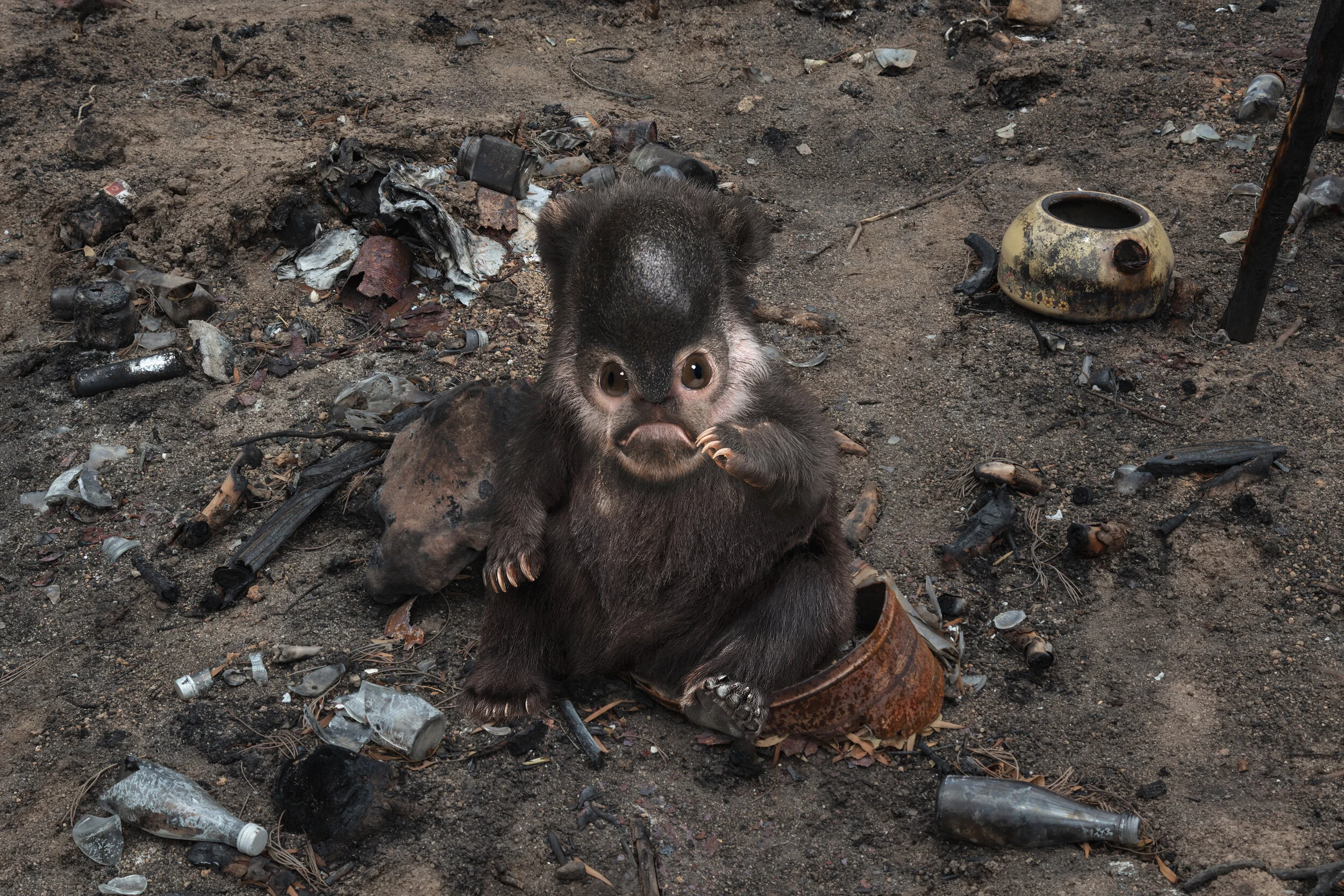
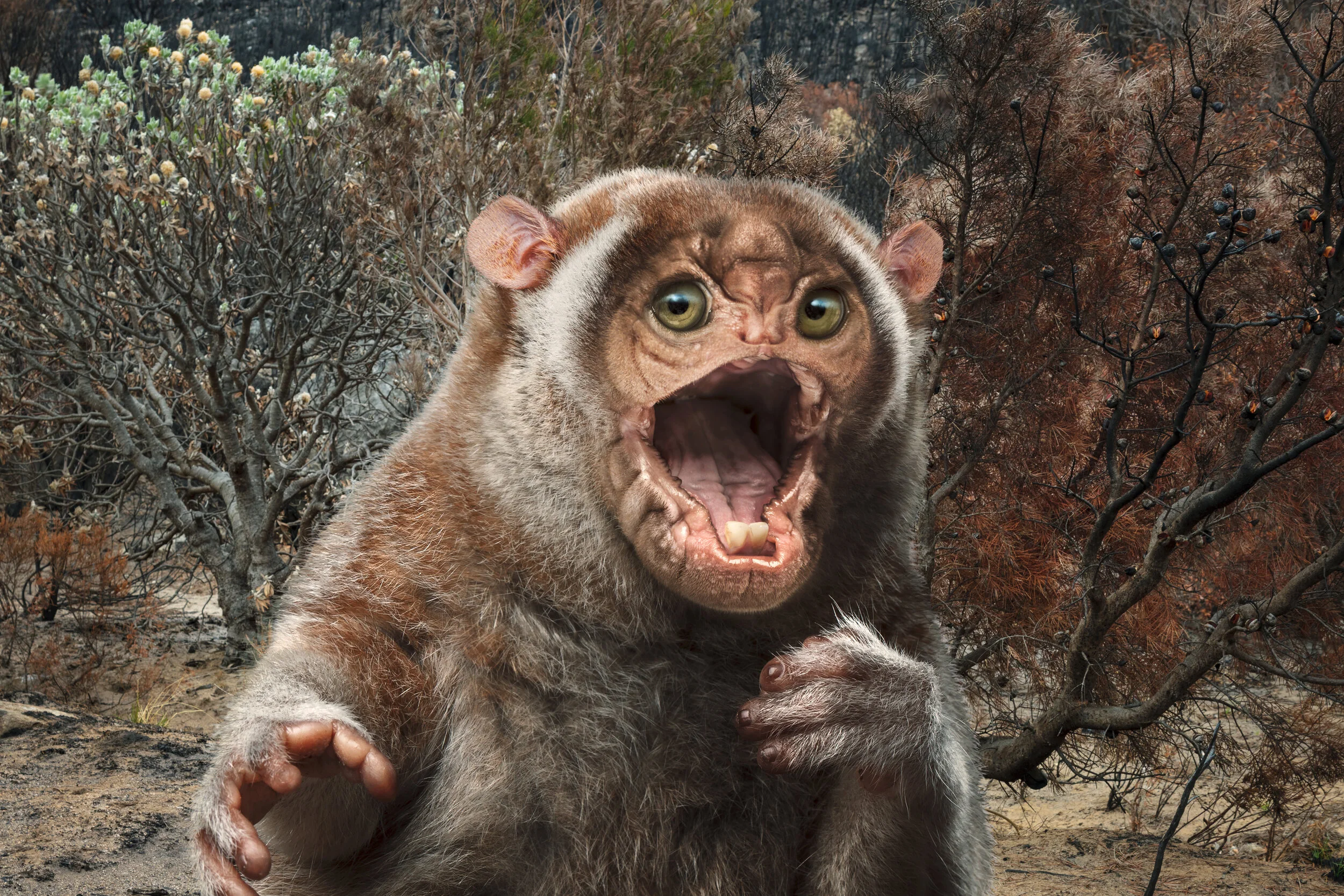
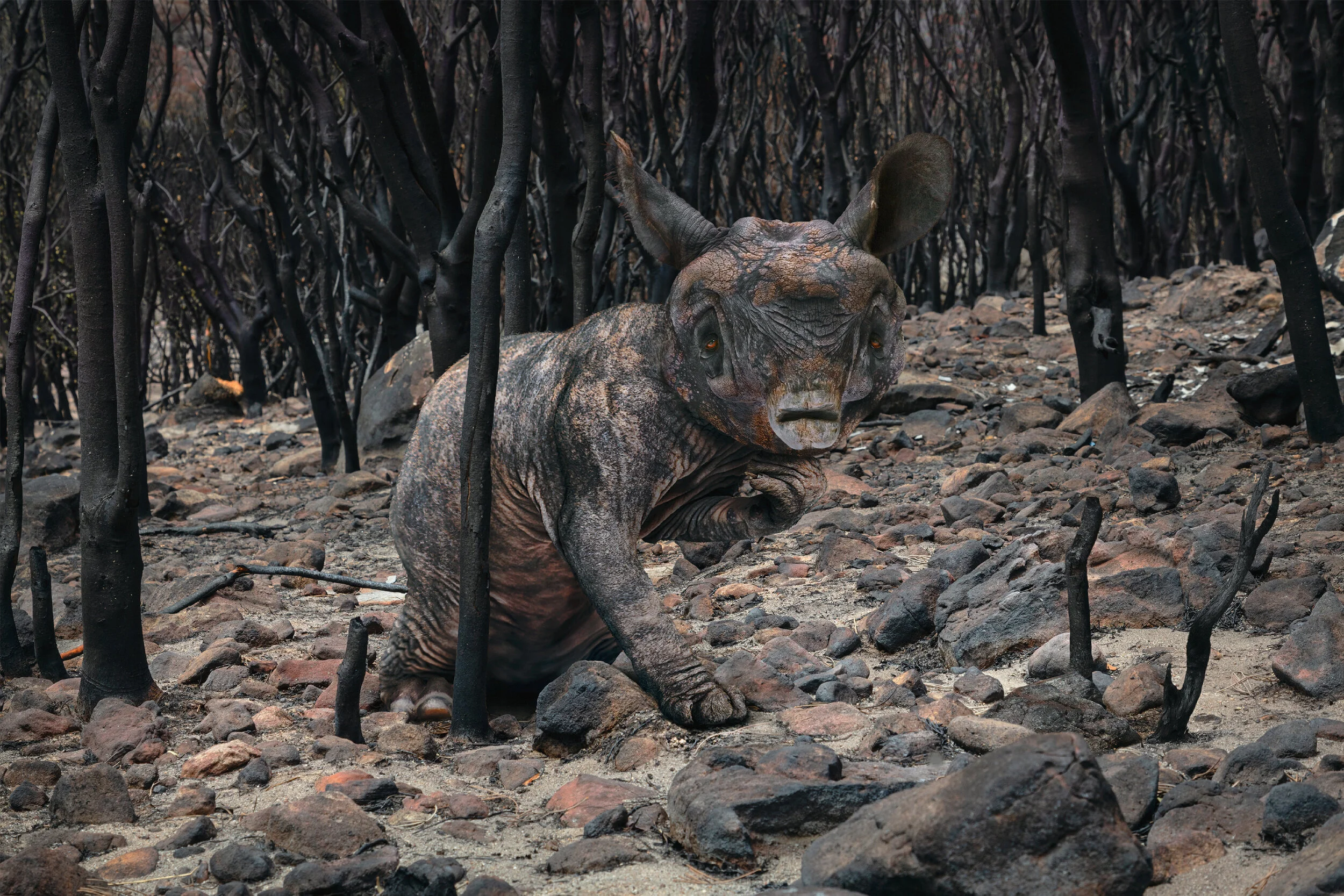
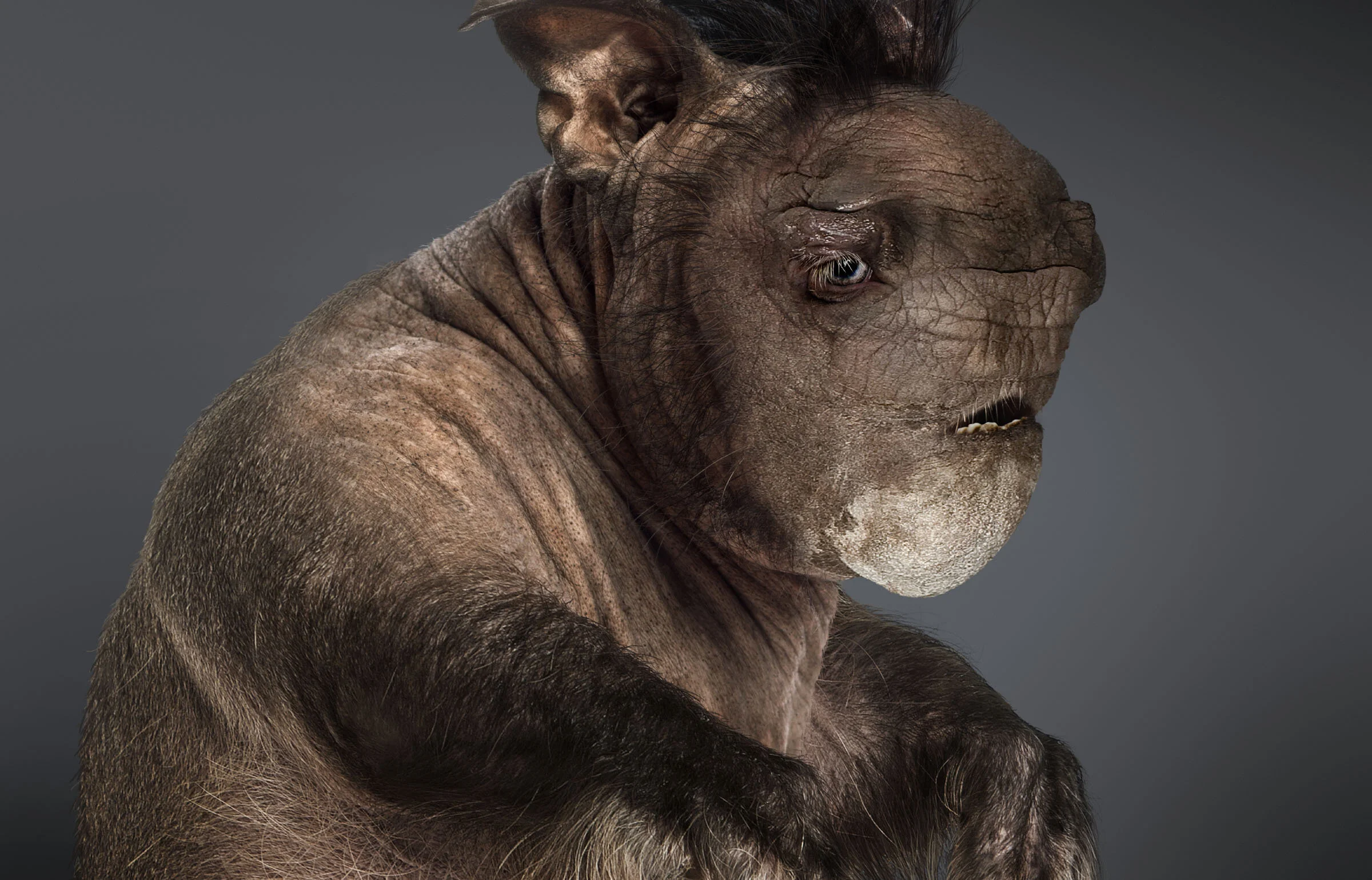
Once upon a time there was a world with people and animals and it was good. But then what happened? A boom, an explosion, a poisonous cloud? The animals of Max Jurasch’s planet Pakaja are mutants, similar to creatures we know and yet different, transformed or genetically irritated by a nuclear explosion. They populate the planet Pakaja, a place of escape, a final reservoir.
- Denise Parizek
Zett; 2020; 30 x 40 cm
Bernd; 2019; 40 x 60 cm
General Stan; 2020; 70 x 115 cm
Ramses; 2020; 75 x 60 cm
The apocaly / Groupshow / Garnizoana (Timisoara) / 2021
Global Crisis Gaia UNAM / Mexico City / 2021
„If Max Jurasch wants to dream, every pixel must be right. In terms of art history, this is not bad news: pointilism has proven itself again - in Vienna, people can now paint on keyboards again. Behind them, the artist who has created another world to express himself.“
Leo Findeisen, media philosopher
200 best digital Artist of the World / Lürzer Magazin
Lola; 2015; 120 x 170 cm
Nikita; 2015; 85 x 120 cm
Giselle; 2014; 65 x 85 cm
Margarete; 2015; 85 x 120 cm
Alfonso; 2014; 100 x 150 cm
Lou; 2015; 65 x 85 cm
Noja; 2015; 85 × 120 cm
-
UTOPIE ODER DYSTOPIE.
What remained are the animals - but which animals? In Max Jurasch’s Planet Pakaja they are similar creatures that we know and yet different, transformed or genetically irritated by plutonium. While animals were depicted in the past for lack of photographic knowledge, paintings of contemporary depictions of animals convey aspects of the present. Here, as in Breughel’s depictions of animals, Jurasch embeds systemic and environmental criticism in his depictions of animals.
In Jurasch’s photographically collaged depictions, the creatures look realistic, but somehow they have mutated. The play with transformations, body and form, illusions of movement is in the foreground. Confusion, feelings, questions about the why of the mutations move the viewer.
Once upon a time there was a world with people and animals and it was good. People developed, explored and invented and things got better and better for them. Technology, medicine, the economy - everything was changing rapidly - but then what happened? A boom, an explosion, a poisonous cloud. What remained were the animals - but which animals? The animals of Max Jurasch’s planet Pakaja are different. They are mutants, similar to creatures we know and yet different, transformed or genetically irritated by a nuclear explosion, they populate the planet Pakaja, a place of escape, a final reservoir.
Whereas animals were depicted in the past for lack of photographic knowledge, paintings of contemporary depictions of animals convey aspects of the present. In Jurasch‘s photographically collaged depictions, the animals look realistic, but somehow they have mutated. The play with trans- formations, body and form, illusions of movement is in the focus. Confusion, feelings, questions about the why of the mutations affect the viewer.
„We are currently experiencing the greatest extinction of living creatures since the dinosaurs disappeared.“ Christoph Heinrich CEO WWF Germany. We don‘t know whether these changes are the result of a nuclear explosion, territorial predation, resource scarcity, or poisoning of our planet. The fact is, our world has changed. Here, as in Breughel‘s depictions of animals (e.g. Two Monkeys), Jurasch embeds system and environmental criticism in his depictions of animals.
- Denise Parizek
Cat vs. Mouse; 2020; 95 x 80 cm
Ilse, 2021, 70 x 100 cm
Micky, 2021, 70 × 100 cm
Babe, 2021, 70 x 100 cm
3 Amigos; 2024, 70 x 100 cm